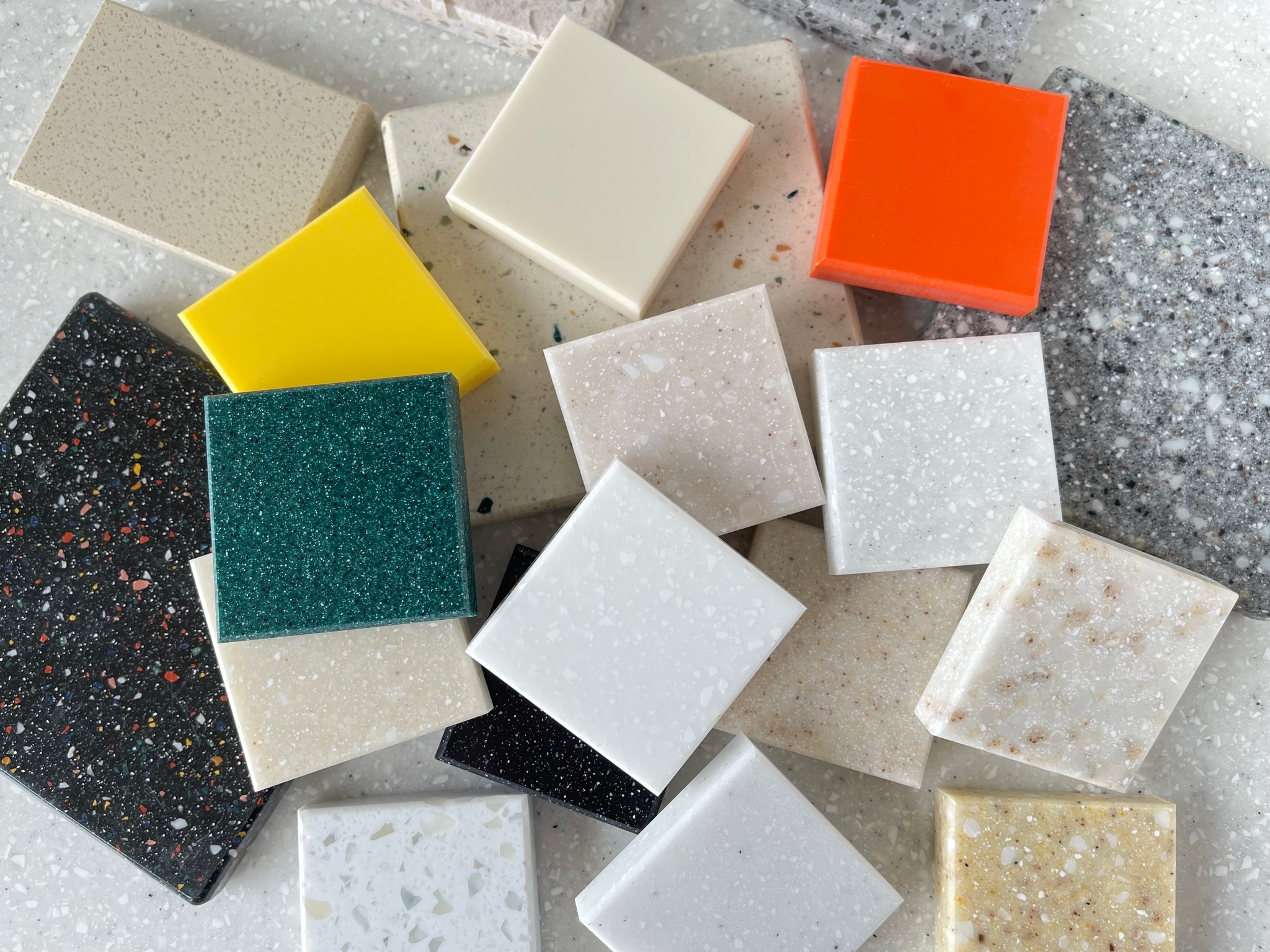
Solid surface material, often simply called "solid surface," represents a triumph of modern materials science, offering a unique blend of aesthetics, functionality, and versatility that has secured its place in homes, businesses, and institutions worldwide. More than just a countertop option, it’s a synthetic surfacing material renowned for its non-porous nature, reparability, and seamless potential.
What Exactly is Solid Surface?
At its core, solid surface is a man-made composite material. Its primary components are:
-
Mineral Fillers: Typically alumina trihydrate (ATH), derived from bauxite ore. This constitutes the bulk (around 60-70%) of the material, providing density, stability, and the "stone-like" feel.
-
Polymer Binder: Usually acrylic (PMMA - polymethyl methacrylate), polyester resins, or a blend of both. This binds the fillers together, determining key characteristics like thermoformability, stain resistance, and overall durability. Acrylic-based surfaces generally offer better color stability, stain resistance, and thermoforming capabilities, while polyester-based options might be harder but slightly more prone to heat damage and yellowing over time.
-
Pigments and Additives: Provide the vast array of colors, patterns (including convincing simulations of natural stone, concrete, and abstract designs), and specific performance characteristics like enhanced UV resistance.
Developed in the late 1960s (DuPont's Corian being the pioneering brand in 1967), solid surface was engineered to overcome limitations of natural materials like stone and wood, particularly their porosity, seam visibility, and difficulty of repair.
Key Properties and Advantages:
-
Non-Porous: This is arguably its most significant benefit. The seamless surface and lack of pores mean:
-
Hygiene: It resists the growth of bacteria, mold, and mildew, making it ideal for kitchens, bathrooms, hospitals, labs, and food preparation areas. Spills don't penetrate.
-
Stain Resistance: Common household substances like coffee, wine, ink, and oils wipe clean easily without leaving permanent stains (though prompt cleaning is always recommended).
-
-
Seamless Integration: Solid surface sheets can be joined using a special adhesive of the same composition. When expertly fabricated, seams become virtually invisible, creating continuous, flowing surfaces. This is particularly valuable for large countertops, integrated sinks, and curved applications.
-
Repairable: Unlike natural stone, damage is rarely permanent. Scratches, scorch marks, and minor chips can be sanded out with progressively finer abrasives, restoring the surface to like-new condition. This extends the lifespan significantly.
-
Thermoformable: When heated, acrylic-based solid surface becomes pliable. This allows fabricators to mold it into complex shapes – integral sinks, bowls, curved fronts, and even 3D architectural elements – all seamlessly integrated with the countertop or wall panel.
-
Versatile Aesthetics: Available in an astonishing spectrum of colors, patterns, and textures (glossy, matte, veined, speckled, terrazzo-like). It can mimic natural materials or offer bold, contemporary looks. Edge profiles can also be customized.
-
Durable: Resistant to impact (compared to tile or laminate), everyday wear and tear, and common chemicals when properly maintained. It won't delaminate.
-
Homogeneous: Color and pattern run consistently throughout the entire thickness of the material. This allows for deep sanding and reshaping without losing the aesthetic.
Manufacturing and Fabrication:
Solid surface is typically manufactured by mixing the powdered mineral filler, liquid resin binder, and pigments/additives. This mixture is poured into large molds or cast into continuous slabs, then cured under controlled heat and pressure. The resulting slabs are then cut, shaped, and finished by specialized fabricators.
Fabrication is a skilled process involving:
-
Precision cutting (CNC routers are common).
-
Joining sheets with color-matched adhesive.
-
Seam blending to achieve invisibility.
-
Thermoforming (for sinks, curves).
-
Sanding and polishing to the desired finish (high-gloss, satin, matte).
Common Applications:
Solid surface's versatility shines across numerous settings:
-
Residential:
-
Kitchen countertops and backsplashes (especially with integrated sinks).
-
Bathroom vanity tops, shower walls, shower pans, tub decks.
-
Wet bars, laundry rooms.
-
Furniture tops, fireplace surrounds.
-
-
Commercial:
-
Reception desks, retail counters, display units.
-
Restaurant and bar tops, food service counters, cafeteria lines (critical for hygiene).
-
Hotel lobbies, guest room vanities, bar areas.
-
Healthcare: Nurse stations, laboratory countertops, pharmacy counters, patient room surfaces (hygiene and reparability are key).
-
Office desktops, conference tables.
-
Maintenance and Care:
Solid surface is low-maintenance but benefits from simple care:
-
Daily Cleaning: Use mild soap/detergent and warm water. Avoid abrasive cleaners or scouring pads (they can scratch).
-
Stain Removal: Most stains wipe off. For tougher ones, a non-abrasive cleaner or a paste of baking soda and water can be used gently. Avoid strong solvents like acetone or paint strippers unless approved by the manufacturer.
-
Heat Protection: While resistant to moderate heat, always use trivets or hot pads under very hot pots/pans to prevent thermal shock or scorching.
-
Cutting: Use a cutting board to prevent scratches.
-
Repair: Address scratches or minor burns promptly with fine sandpaper (starting with 180-320 grit, progressing to 400-600 grit, then buffing) following manufacturer guidelines. Deeper damage usually requires professional repair.
Solid Surface vs. Quartz vs. Natural Stone:
-
Vs. Quartz (Engineered Stone): Quartz is harder and more scratch/heat resistant due to its high quartz crystal content (90%+). However, quartz is not thermoformable, seams are more visible, and deep damage is often irreparable. Quartz is also non-porous. Solid surface offers better seam hiding, reparability, thermoforming, and integrated sinks.
-
Vs. Granite/Marble: Natural stone offers unique beauty but is porous (requires sealing), can stain/etch easily (especially marble), seams are visible, chips/cracks are difficult to repair, and it's much heavier. Solid surface provides superior hygiene, reparability, seamlessness, and design consistency.
Sustainability Considerations:
-
Pros: Many brands incorporate pre-consumer recycled content (off-cuts from fabrication). The material itself is long-lasting and repairable, reducing replacement waste. Some manufacturers have take-back programs for recycling end-of-life material into new products. Its durability is a sustainability plus. Low-VOC options are available.
-
Cons: Production involves mining minerals (ATH) and petrochemical-based resins. Energy use during manufacturing and fabrication is a factor. Recycling infrastructure, while growing, isn't as universal as for some materials.
The Future of Solid Surface:
The material continues to evolve:
-
New Textures & Finishes: More sophisticated matte, suede, and textured finishes beyond high-gloss.
-
Enhanced Patterns: Deeper veining, more realistic stone/terrazzo/concrete simulations, and innovative abstract designs.
-
Improved Formulations: Focus on increased scratch/heat resistance, enhanced sustainability (bio-based resins, higher recycled content), and even lighter-weight options.
-
Expanded Applications: Growth in vertical applications (wall cladding, furniture), lighting elements (translucent grades), and specialized industrial uses.
Conclusion: